Black Men and Mental Health Breaking Stigma, Sharing Stories, and Finding Support

A lot of pain gets hidden behind “I’m good.”
That answer can mean anything. Tired. Angry. Numb. Stressed about money. Grieving. Trying not to fall apart. For many Black men, mental health isn’t ignored because it doesn’t matter. It’s often ignored because life has taught them to keep moving, keep providing, keep protecting, and keep quiet.
But silence has a cost. Mental health touches sleep, blood pressure, relationships, work, parenting, faith, friendships, and the way a person sees himself. Caring for the mind isn’t weakness. It’s maintenance. It’s survival. It’s love for self and community.
This post is for information and support, not medical advice. If things feel urgent or unsafe, call or text 988 in the U.S. for immediate mental health crisis support.

The pressure to be strong can get heavy
Strength is a beautiful thing. Black men have carried families, neighborhoods, movements, and memories through a lot. But strength can turn into a trap when it means never asking for help.
Some of the pressure comes from outside. Racism, being watched too closely in stores, being treated as dangerous, having to work twice as hard to be seen as capable, and carrying the stress of daily disrespect can wear a person down.
Some of the pressure comes from inside the culture too. Many grew up hearing things like:
“Man up.”
“Don’t let people see you cry.”
“Handle your business.”
“Pray about it and keep going.”
Faith, toughness, and responsibility can all be powerful. The problem starts when they become the only tools allowed.
There’s also stigma. Some folks still treat therapy like it means someone is “crazy.” Others worry a counselor won’t understand Black life, family expectations, church culture, street pressure, or the fear that showing emotion could be used against them.
That fear is real. But so is the need for care.
Mental health doesn’t ask for permission before it affects the body. Stress can show up as headaches, anger, stomach problems, trouble sleeping, drinking more than usual, pulling away from people, or snapping over small things. Many men don’t say, “I’m depressed.” They say, “I’m tired,” “I don’t care anymore,” or “Everybody gets on my nerves.”
Those are signals worth listening to.
Stories make the struggle easier to name
A man we’ll call Marcus said he didn’t think he needed help because he had a job, paid his bills, and showed up for his kids. But after his brother died, he stopped sleeping. He went to work, came home, and sat in his car for an hour before going inside.
He told a friend, “I don’t want to talk about it because once I start, I might not stop.”
That friend didn’t try to fix him. He just said, “Then don’t stop. I’ll sit here.”
That was the first time Marcus cried in front of another man since childhood.
Another man, Darius, started therapy after his girlfriend told him, gently, “I don’t think you’re mad at me. I think you’re carrying too much.” He didn’t like hearing it. At first, he felt judged. Later, he realized his anger had become the language for everything he didn’t know how to say.
He learned to pause before reacting. He started walking in the mornings. He called his uncle once a week. Nothing magical happened overnight, but home got calmer. His chest didn’t feel tight all the time. He began to recognize peace without feeling suspicious of it.
These stories are common because the need is common. Healing often starts when one honest sentence breaks through the performance.

Mental wellness affects the whole community
When one man gets support, the impact doesn’t stop with him.
A calmer father changes the air in the house. A friend who learns to talk honestly gives other friends permission to do the same. A brother who gets help for grief may stop passing pain through silence, distance, or rage. A son who sees a man attend therapy may grow up knowing care is normal.
Mental wellness also protects physical health. Stress can affect eating habits, sleep, energy, and the way people handle conflict. When stress stays bottled up, it often leaks out somewhere else.
That might look like:
Working nonstop because rest feels unsafe
Avoiding doctor visits
Using alcohol or weed to numb out every night
Losing interest in things that used to bring joy
Feeling alone even around people
Treating every disagreement like a threat
None of this means someone is broken. It means the mind and body are asking for attention.
Community matters here. Barbers, coaches, pastors, cousins, uncles, mentors, and close friends often notice changes before anyone else does. A simple question can make a difference: “You’ve seemed heavy lately. Want to talk, or want me to just sit with you?”
That kind of care doesn’t replace professional help, but it can help someone reach for it.
Getting help can start small
Seeking support doesn’t have to mean telling everybody your business or making a huge announcement. It can be private, simple, and steady.
Here are practical places to start.
Talk to one safe person
Pick someone who listens without clowning, gossiping, or rushing to give advice. Start with one sentence: “I haven’t been feeling like myself.”
Look for a therapist who feels like a fit
Some people prefer a Black therapist. Some prefer a man. Some want someone who understands faith, trauma, fatherhood, or grief. That preference is valid. If the first person doesn’t feel right, trying someone else is allowed.
Ask direct questions before the first visit
Try questions like:
“Have you worked with Black men before?”
“How do you approach stress, anger, or grief?”
“What should I expect in the first session?”
“Do you offer online visits?”
Use everyday habits that support the mind
Small habits won’t solve everything, but they can lower the pressure.
Get sunlight early in the day
Move your body, even with a short walk
Eat something real before the day gets away from you
Cut back when numbing becomes a routine
Sleep without the phone in your hand
Write down what you’re carrying
Check in with someone before you disappear
Know when it’s time for urgent help
If life feels unbearable, if there are thoughts of self-harm, or if someone might get hurt, don’t wait it out alone. Call or text 988 in the U.S. If there is immediate danger, call 911 or go to the nearest emergency room.
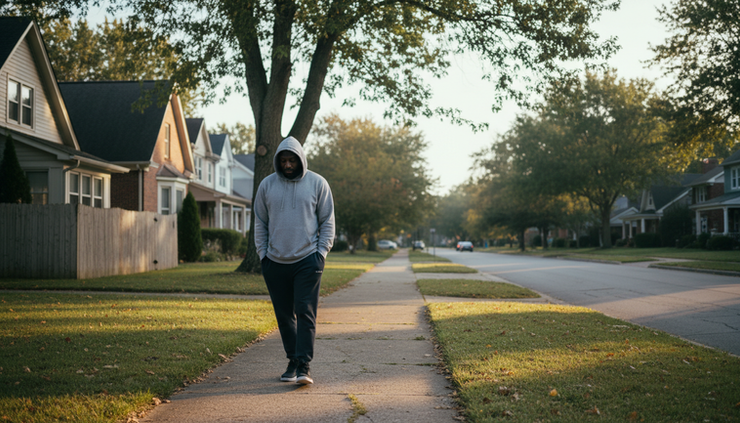
Support can look like honesty, rest, and care
Mental health for Black men doesn’t have to be wrapped in shame. It can look like therapy. It can look like prayer and therapy. It can look like calling a friend instead of vanishing. It can look like taking a day off before the body forces one. It can look like saying, “I need help,” and still being respected.
There’s no prize for suffering in silence. The people who matter don’t need a perfect version of anyone. They need the real person, breathing, healing, learning, and still here.

If this topic feels close to home, start with one step today. Send the text. Make the appointment. Take the walk. Tell the truth to someone safe.
Being strong can include being supported. And being supported can help keep families, friendships, and communities whole.


Comments